A corporate event DJ isn’t the same hire as a wedding or club DJ. You’re looking for someone who can read a room of executives and coworkers, manage a run-of-show without stepping on speakers, handle a mic for announcements, and adapt on the fly – not just build a great playlist. This guide walks through what a corporate DJ hire actually includes, what to ask before you book, and what’s different about doing it in Miami specifically.
If you’re already ready to talk dates, you can check availability for a corporate event DJ in Miami directly. Otherwise, here’s how to vet one properly first.
What Makes a Corporate DJ Different From a Wedding or Club DJ
A wedding DJ is trained to build one emotional arc across a single night for one audience that mostly wants the same thing: a great time on the dance floor. A club DJ is reading a crowd that came specifically to dance and is generally already warmed up.
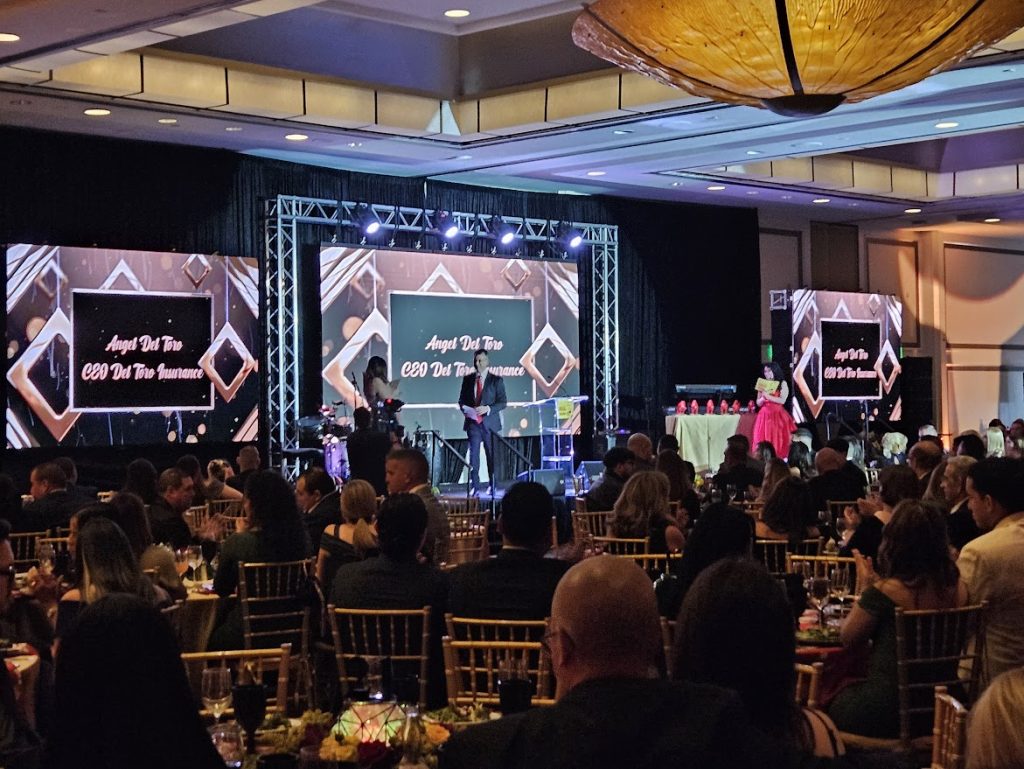
A corporate DJ is doing something closer to production work. They’re coordinating with a run-of-show that might include a keynote, an awards segment, a networking hour, dinner service, and a dance floor – often in that exact order, often on a tight schedule set by someone else. They need to drop volume instantly when an executive steps up to speak, bring energy back up afterward without it feeling jarring, and read a room of coworkers, clients, and sometimes people who genuinely didn’t come to dance. That’s a different skill set than reading a wedding crowd, and it’s worth confirming a DJ actually has it before you book, rather than assuming any experienced DJ can flex into it.
There’s also a professionalism layer that matters more at a corporate event than almost anywhere else. Your DJ is, for a few hours, representing your company to clients, leadership, or both. How they dress, how they communicate before the event, whether they show up early to test equipment – all of that reflects on the event itself, not just the entertainment.
What Corporate DJ Hire Actually Includes
It helps to know what you’re paying for before you start comparing quotes, because “corporate DJ services” can mean different things depending on the vendor.
A full-service booking typically covers:
- Pre-event planning – a call or written questionnaire covering your event format, brand guidelines, music preferences, run-of-show, and any specific moments (an award reveal, a product unveiling) that need custom audio cues
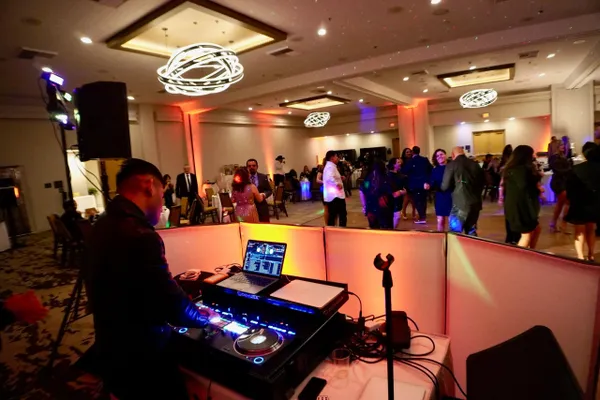
- Equipment load-in and setup – DJ and sound equipment installed and tested ahead of your first guest arriving
- Full event coverage – music and audio managed continuously from arrival through the final moment
- Microphone management – handling handheld, lavalier, or wireless mics for speakers, award presenters, or an emcee
- Coordination with venue AV – working with the venue’s in-house technical team so nothing conflicts or gets duplicated
- Breakdown and load-out – a clean, professional exit once the event ends
Some providers bundle emcee services, light hosting, or interactive segments into that same booking. Others keep it strictly to music and audio and expect you to bring your own host. Neither approach is wrong, but you want to know which one you’re getting before you sign anything – not discover the gap the week of the event.
Questions to Ask Before You Book
A few minutes on the phone will tell you more than a polished website will. These are worth asking directly, and worth pushing for a specific answer rather than a reassuring one:
- Have you worked at corporate events specifically, or mostly weddings and private parties? Ask for an example similar in size and format to yours – a 40-person executive dinner and a 500-person sales kickoff call require very different skills, so a generic “yes, plenty” isn’t quite enough.
- Can you manage a run-of-show with cues for speakers, awards, or a program, or is the offering really just a playlist with someone standing next to it?
- Do you bring your own sound and mic setup, or does that depend on the venue? Some venues have restrictions or preferred vendors for AV, so this is worth confirming early rather than the week of.
- How do you handle a room that isn’t responding? A vague answer (“I read the crowd”) is weaker than a specific one about adjusting genre, tempo, or volume based on who’s actually in the room and what kind of day they’ve had.
- What’s your backup plan if equipment fails or something comes up on the day? A confident, specific answer here – a backup unit, a plan for who steps in – is a good sign. Hesitation is not.
- Are you comfortable with a bilingual crowd? Miami audiences are frequently a mix of English and Spanish speakers, and a DJ who can move between both – on the mic and in music selection – reads better with a mixed room than one who can’t.
Listen for the difference between a rehearsed, confident answer and an enthusiastic but vague one. The second kind tends to show up as a gap at the actual event, usually at the exact moment you need the DJ to handle something smoothly.

DJ Only, or DJ Who Also Handles Light Hosting?
This is one of the bigger decisions to make early, because it changes who else you need to hire and how much coordination the event requires.
DJ only works well if you already have someone – an internal employee, an outside professional host, an executive comfortable on a mic – handling announcements and keeping the program moving. In that setup, the DJ’s job is purely music and audio, and the two of you need to coordinate cues in advance so nothing overlaps awkwardly.
DJ plus light emcee duties cover events where you need someone to also make announcements, introduce speakers, or keep transitions smooth, without needing a fully dedicated professional host. This is the more common setup for holiday parties, team celebrations, product launches, and smaller conferences, where the DJ effectively becomes the one point of contact keeping the room moving.
Deciding this ahead of time avoids the awkward gap where a segment needs someone on the mic, and nobody’s actually holding it.
What Miami Events Typically Need
A few things come up often enough in Miami specifically that they’re worth planning around before you book.
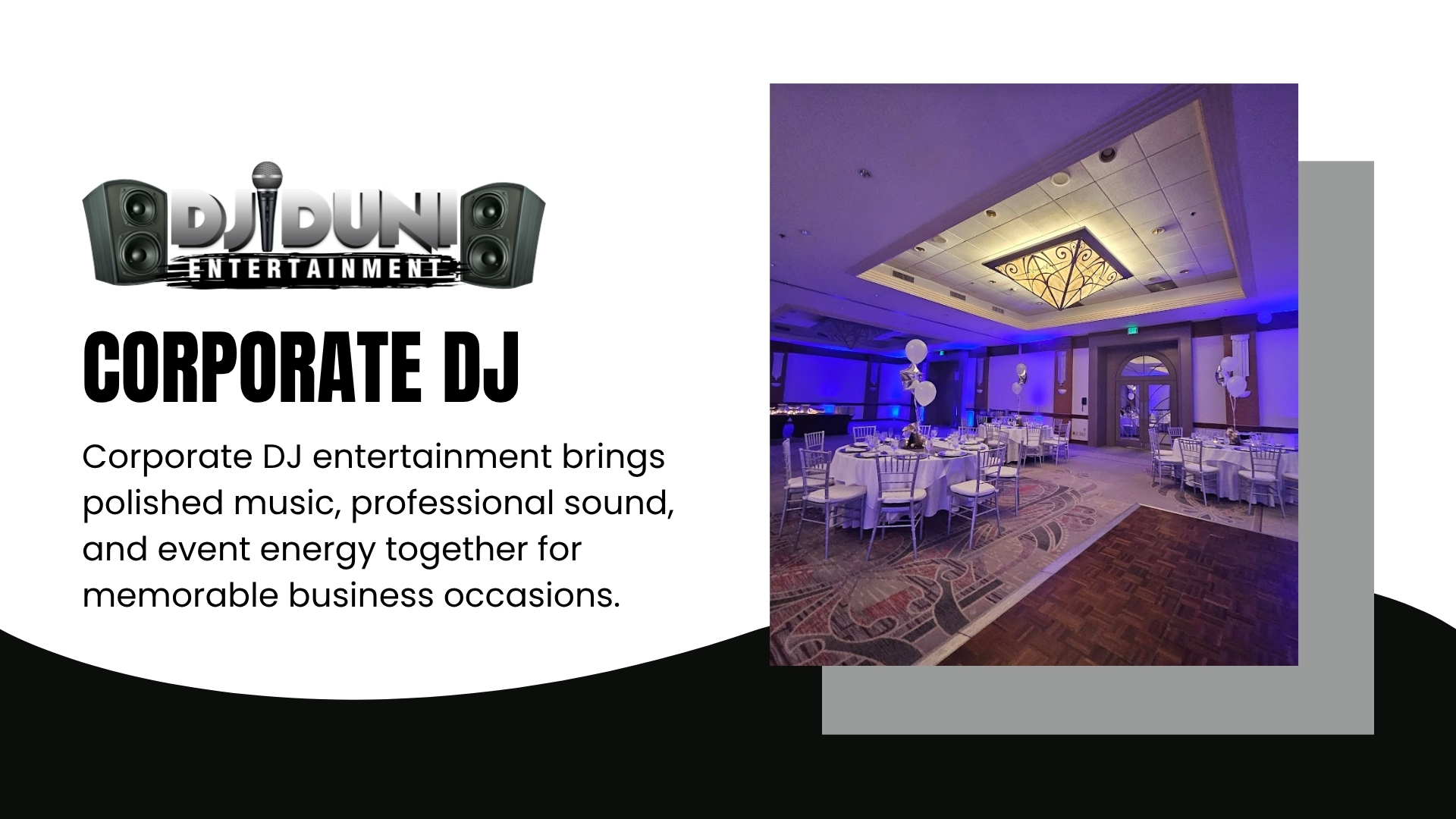
Hotel ballrooms and event spaces. A lot of corporate events here run through hotel ballrooms, conference centers, and similar venues, which usually means coordinating with in-house AV rather than bringing a fully independent setup from scratch. Confirm ahead of time whether your DJ regularly works with venue AV teams or expects everything self-contained – mismatched expectations here cause more day-of friction than almost anything else.
Bilingual audiences. Miami’s business community is heavily bilingual, and a DJ who can genuinely move between English and Spanish – not just play some Spanish-language music without engaging in either language on the mic – reads noticeably better with a mixed crowd.
Outdoor and rooftop venues. Miami has no shortage of outdoor and rooftop event spaces, which come with their own considerations: weather contingencies, power access, and sound restrictions depending on the venue and time of day. Worth a direct question if your event is outdoors.
Seasonal demand. Miami’s event calendar gets dense during the Q4 holiday party season and around major citywide events like Art Basel and tech week, when hotels and venues are booked out well in advance, and experienced DJs get reserved early for those dates. If your event falls in one of those windows, starting your search earlier matters more than it does the rest of the year.
How Far in Advance Should You Book?
There’s no single right answer, but the general pattern across the corporate event industry is that experienced, in-demand DJs get booked out anywhere from a couple of months to several months ahead – and popular dates in busy seasons go first. Booking your DJ around the same time you lock in your venue and catering, rather than treating it as an afterthought once everything else is settled, gives you the widest set of options and the most room to have a real planning conversation instead of a rushed one.
If your timeline is already tight, it’s still worth reaching out – availability varies, and a shorter runway just means fewer options rather than none.
What Affects Pricing
Corporate DJ pricing isn’t one flat number, and quotes can vary for legitimate reasons. Factors that typically influence cost include:
- Event length and how many hours of coverage you need
- Whether you need DJ-only service or DJ plus light hosting/emcee duties
- The complexity of the AV setup – a self-contained sound system versus coordinating with venue AV
- Additional equipment like uplighting, a dance floor, or a photo/video element
- Date and season, since peak periods (holidays, major citywide events) tend to command higher demand
The most useful move here isn’t chasing the lowest quote – it’s making sure every quote you’re comparing includes the same scope of work, so you’re not accidentally comparing a bare-bones booking against a full-service one.
Red Flags Worth Noticing
- Vague, enthusiastic answers instead of specific ones about past corporate events
- No clear answer on backup equipment or a contingency plan
- Pushback or hesitation when you ask about run-of-show coordination
- Only wedding or private-party examples, with nothing corporate-specific
- Reluctance to put scope of work – what’s included, what isn’t – in writing
None of these are automatic dealbreakers on their own. A pattern of two or three together is worth taking seriously.
A Quick Checklist Before You Sign
- Confirmed corporate-specific experience with a comparable event size
- Clear on DJ-only vs. DJ-plus-hosting scope
- Discussed run-of-show and any cued moments (awards, announcements, reveals)
- Confirmed how they coordinate with venue AV, if applicable
- Asked about bilingual capability, if relevant to your audience
- Got a backup plan in case of equipment issues
- Scope of work and pricing confirmed in writing
A Few Common Questions
Should I get a written contract, or is a verbal agreement enough? Get it in writing, even for a smaller event. A contract or written scope of work should cover hours of coverage, what’s included (equipment, mic management, emcee duties if any), cancellation terms, and pricing. This isn’t about distrust – it’s about making sure both sides remember the same agreement three months later when the event actually happens.
What happens if the event runs over the scheduled time? Ask this before you book, not on the night of. Some DJs build in a grace period; others charge an hourly overage rate. Either is reasonable, but you want to know which one you’re working with in case a keynote runs long or dinner service is delayed.
Can a corporate DJ also handle a hybrid or virtual component? Not always – this requires specific technical capability beyond standard in-room audio, including streaming setup and remote audience coordination. If any part of your event is virtual or hybrid, confirm this specifically rather than assuming it’s included, since it’s a meaningfully different skill set from in-person coverage alone.
The Takeaway
Booking a corporate DJ in Miami comes down to the same core question every time: can this person manage a program, not just a playlist? Ask about corporate-specific experience, get clear on what’s actually included in the booking, confirm how they handle run-of-show and AV coordination, and factor in Miami’s bilingual crowds and busy event seasons when you’re setting your timeline. Do that, and the DJ conversation stops being a gamble and starts being one less thing to worry about on the day of your event.
If you’re ready to talk through your event, you can see corporate event DJ services in Miami here.